

 by
by 
Thinking about buying a Bali property but unsure where to start? You’re not alone—navigating Bali real estate can feel like a maze of titles, neighbourhoods, and numbers. This clear-headed guide breaks down everything from the best areas to live in Bali, to freehold vs leasehold, rental returns, and how it all fits your lifestyle. Stick with us, and you’ll skip the confusion and find the right spot to retire, relocate, or invest with confidence.
Ready to find the right place and make it all easy? Message us for a no-pressure chat, request our Relocation Checklist, or book a private viewing. WhatsApp us now: 🇮🇩 +62 813 3932 3776 | 🇦🇺 +61 450 497 652 | Email: Info@balifreedomproperty.com | balifreedomsales@gmail.com | www.balifreedomproperty.com
Choosing the Right Area
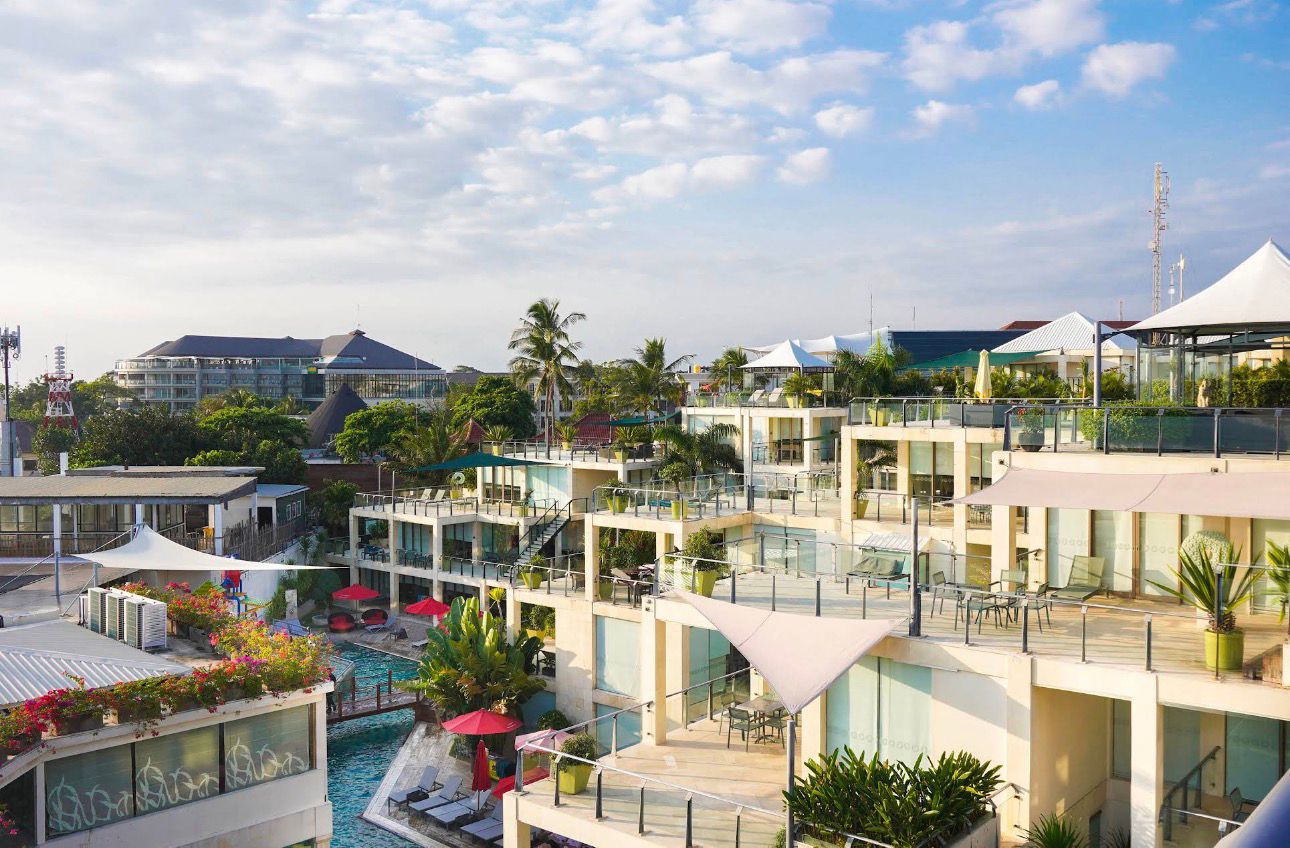
Picking the perfect spot in Bali can make all the difference. Whether you’re after vibrant nightlife or a serene retreat, there’s a place for everyone. Let’s dive into the best options.
Best Areas to Live in Bali
Bali offers diverse living experiences. Canggu is popular for its trendy vibe, perfect for those who love cafes and surf spots. Ubud is a hub for wellness and art, ideal for a peaceful lifestyle. Seminyak combines luxury and convenience, a favorite for those who enjoy upscale dining and shopping. These areas are not just about location; they represent a lifestyle choice. By choosing the right area, you align your Bali property with your personal goals and daily activities.
Lifestyle Mapping Essentials
Before you choose, think about what you need daily. Proximity to schools, work, and leisure activities matters. If you’re raising a family, being near good schools is key. If surfing is your thing, you’ll want to be close to the best beaches. Make a list of your must-haves and match them with the areas that fit. This way, you avoid surprises and ensure every day is as you imagined.
Popular Expat Neighbourhoods
Many expats flock to areas like Sanur and Uluwatu. Sanur is known for its laid-back charm and family-friendly vibe, while Uluwatu offers stunning clifftop views and world-class surf breaks. These neighborhoods provide a sense of community, with plenty of opportunities to meet like-minded people. Plus, they come with a range of facilities catering to international tastes, from restaurants to shopping centers.
Understanding Property Titles

Navigating property titles in Bali is crucial. Without understanding the basics, you might face unexpected hurdles. Here’s what you need to know to make informed decisions.
Freehold vs Leasehold in Bali
In Bali, you can choose between freehold and leasehold properties. Freehold means you own the land outright, but it’s limited to Indonesian citizens. Expats often opt for leasehold, where you lease the land for a set period, usually up to 25 years. Both have their pros and cons. Freehold offers permanent ownership, while leasehold provides flexibility and lower upfront costs. It’s essential to weigh these options based on your long-term plans.
Legal Property Advice in Bali
Legal advice is a must when buying property in Bali. Engaging with experienced legal advisors ensures you understand every aspect of your purchase. Bali Freedom Legals offers guidance on navigating local laws, ensuring your investment is secure. They handle everything from property conveyancing to contract drafting, so you’re never caught off guard. Trustworthy legal support is your best ally in avoiding complications.
Navigating Bali Property Taxes
Property taxes in Bali can vary depending on the type of property and its use. Understanding these taxes helps you budget effectively. You’ll encounter taxes like the Land and Building Tax and Income Tax on any gains from property sales. Knowing what to expect in advance lets you plan your finances accordingly and avoid surprises later.
Investment Potential and Budgeting
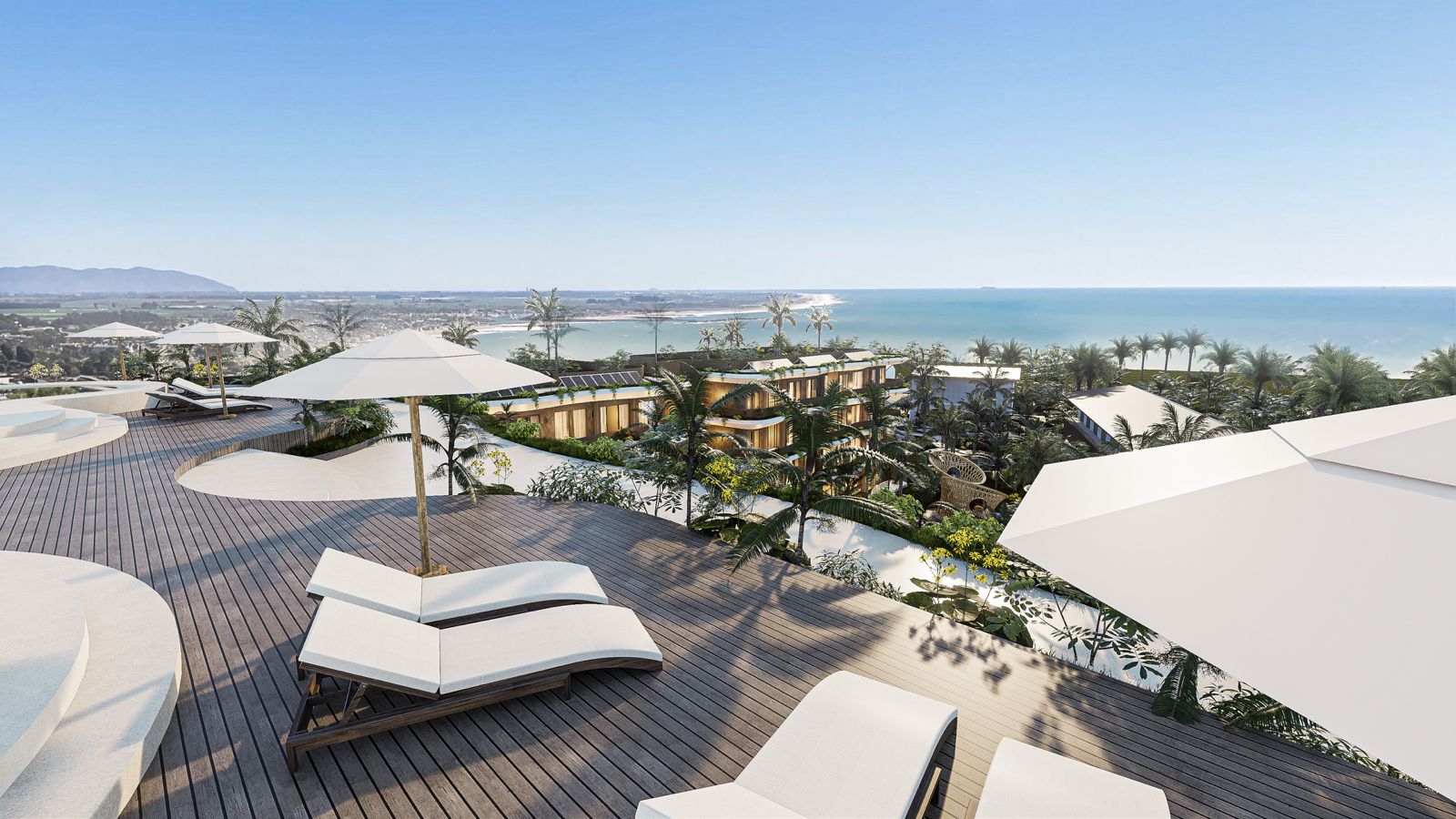
Investing in Bali property can be rewarding, but it’s vital to know the landscape. Let’s explore how to maximize your investment and budget wisely.
Calculating Bali Rental Yields
Rental yields can be a significant income source in Bali. To calculate this, consider rental income versus property costs. A typical yield could range from 5% to 8% annually, depending on location and property type. High-demand areas like Seminyak and Canggu often offer better returns. Accurate calculations ensure you’re making a profitable investment.
Comparing Property Costs
Property prices vary widely across Bali. For example, a villa in Seminyak might cost more than one in Pererenan, but each offers unique benefits. Comparing costs involves looking at purchase price, maintenance, and potential appreciation. Make informed decisions by considering both immediate costs and long-term value.
Long-term Capital Growth
Long-term growth potential is a key consideration for any investor. Bali’s property market has seen steady growth, making it an attractive option for capital appreciation. Areas undergoing development or those with upcoming infrastructure projects often promise higher returns. Keeping an eye on market trends helps you capitalize on growth opportunities.
Ready to explore Bali’s property market? Contact us for a no-pressure chat or book a private viewing. We’ll guide you every step of the way.
🇮🇩 +62 813 3932 3776 🇦🇺 +61 450 497 652 Info@balifreedomproperty.com balifreedomsales@gmail.com www.balifreedomproperty.com 🌴
Join The Discussion