

 by
by 
Leasehold vs Freehold in Bali: The Plain‑English Guide You Actually Need
Leasehold vs freehold in Bali isn’t as simple as it sounds—especially if you’re a foreign buyer. You’ve probably heard terms like Hak Milik, Hak Pakai, and PT PMA, but what do they actually mean for your investment? This guide cuts through the jargon to show you who can own what, how leases and extensions work, and what to watch out for, so you can move forward with confidence.
Ready to map your best path—leasehold, Hak Pakai, or PT PMA/HGB? Let’s chat and tailor it to your goals. WhatsApp us today. 🇮🇩 +62 813 3932 3776 🇦🇺 +61 450 497 652 Email: Info@balifreedomproperty.com balifreedomsales@gmail.com Web: www.balifreedomproperty.com No pushy sales. Just straight answers and a clear plan.
Leasehold vs Freehold Explained

Wondering what the difference between leasehold and freehold really means in Bali? Let’s break it down for you.
The Basics of Leasehold in Bali
Leasehold property in Bali is a common way for foreigners to own a piece of paradise. But what does it mean for you? Simply put, leasehold allows you to rent land or property for a set period, usually ranging from 25 to 30 years. The key benefit is that it offers a slice of Bali without needing permanent ownership.
During the lease period, you can build, live in, or rent out the property, which can be a lucrative option. But, unlike freehold, you don’t own the land outright. Extensions can be negotiated, but they aren’t guaranteed. So, if you’re considering this option, it’s crucial to plan for the end of the lease period. Remember, leasehold is more about enjoying Bali while you’re here rather than owning a piece of it forever.
Freehold Ownership in Indonesia
Freehold ownership, known locally as Hak Milik, is the dream for many: full ownership of the land and property. However, it’s not as straightforward as it sounds, especially for foreigners. In Indonesia, only locals can directly own freehold property. It’s the most secure form of property ownership, but accessing it requires some creativity and planning.
Most foreign buyers engage in legal setups such as forming a local company to obtain freehold rights. This method offers you greater control and long-term security. But it comes with its own set of complexities and legal requirements. So, if you’re leaning towards freehold, be prepared for a deeper dive into Indonesian property law.
Comparing Leasehold and Freehold
Let’s compare leasehold and freehold to see which fits your plans better. Leasehold offers flexibility and lower initial costs, making it ideal for those wanting a Bali experience without permanent commitment. It’s also easier on your wallet in the short term.
On the flip side, freehold brings peace of mind and long-term investment potential. But it requires more upfront effort and legal navigation. If you’re aiming for long-term gains and stability, freehold is the way to go. Each option has its perks, so weigh them against your goals before diving in.
Navigating Legal Pathways
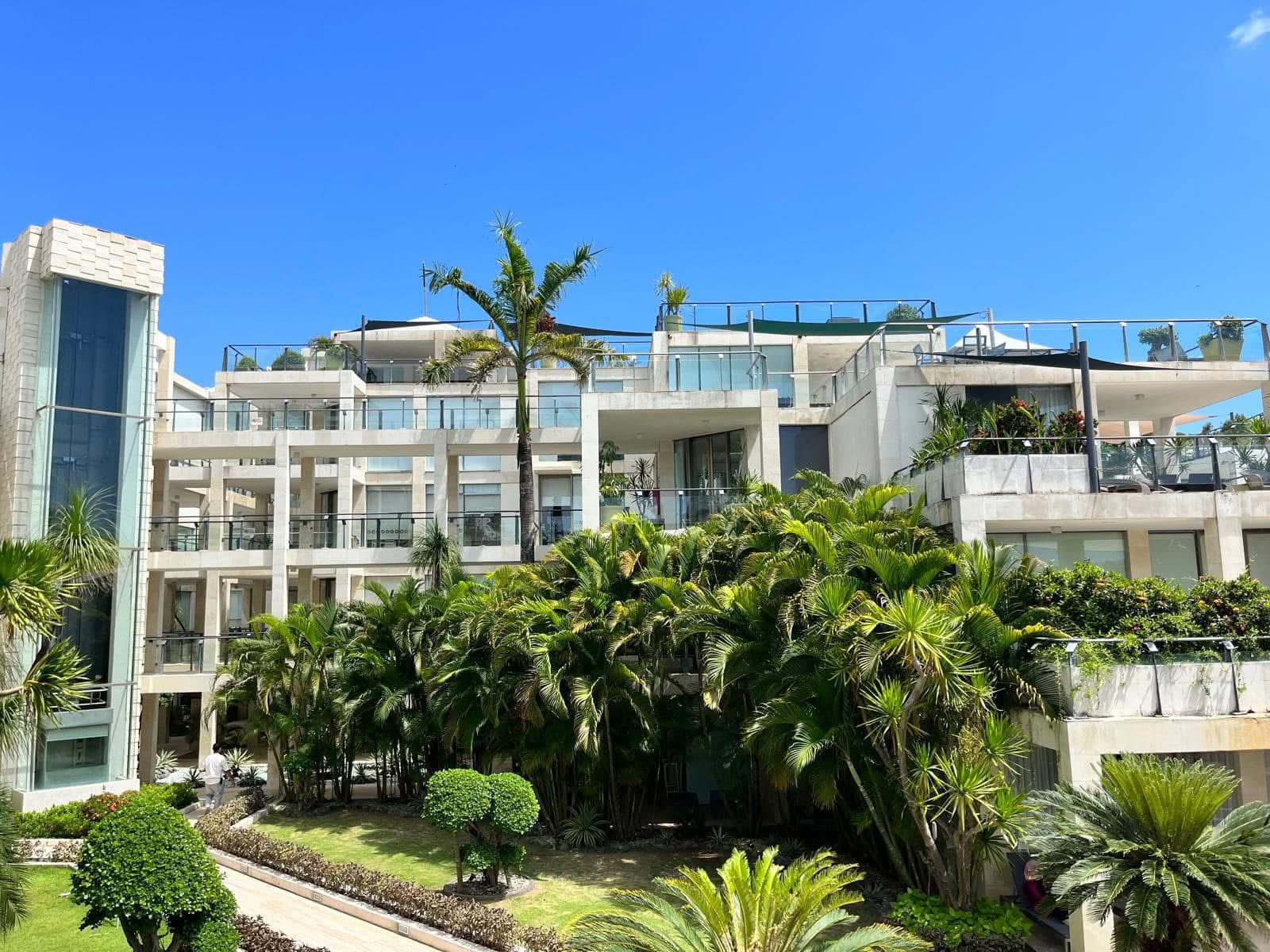
Understanding the legal aspects of buying property in Bali is crucial. Let’s explore the different legal pathways available to you.
Understanding Hak Pakai in Bali
Hak Pakai, or “right to use,” is a popular option for foreigners. It allows you to use a property for a specific purpose, like living or business, usually up to 70 years. This option is more accessible and secure than leasehold, offering a legal way for foreigners to enjoy property rights.
The process involves obtaining the right through a local notary and ensuring compliance with local laws. Hak Pakai offers a middle ground: more control than leasehold, but without the permanence of freehold. It’s ideal if you’re looking for long-term residence without full ownership.
PT PMA and HGB Options
Forming a PT PMA (foreign investment company) can unlock ownership opportunities through the HGB (right to build) title. This setup allows foreign investors to gain control over commercial properties. It’s a strategic move for those looking to invest in business ventures or developments.
The PT PMA route requires setting up a company under Indonesian law, which can be complex but rewarding. Once established, your company can hold HGB titles, providing a pathway to owning and developing property. This option is perfect if you’re a savvy investor looking to do business in Bali.
Safe and Compliant Property Buying
Ensuring your property purchase is safe and compliant is crucial. Always work with reputable agencies and legal advisors to navigate the process. Conduct thorough due diligence to verify titles and legal standings.
Understanding local regulations and partnering with trusted professionals can save you from potential pitfalls. Remember, the longer you wait, the more opportunities you might miss. So, start your journey with confidence and ensure your investment is secure.
Practical Tips for Buyers

Ready to take the plunge into Bali property? Here are some practical tips to guide your purchase.
Conducting Property Due Diligence
Before buying, conducting due diligence is your best friend. It involves verifying property titles, checking for encumbrances, and understanding zoning laws. Engage a local notary or legal expert to help you navigate these checks.
Doing your homework upfront can prevent costly mistakes and ensure your investment is sound. Remember, most people think they can skip this step, but it’s essential for a worry-free purchase.
Costs, Taxes, and Fees in Bali
Understanding the costs involved in buying property in Bali is crucial. Besides the purchase price, consider taxes, notary fees, and potential renovation costs. Property taxes in Bali are generally lower than in Western countries, but it’s important to budget for all expenses.
Be aware of the annual land and building tax, known as PBB, and factor in any possible maintenance costs. Planning your finances accurately helps avoid surprises down the road and ensures a smooth buying process.
Planning Your Exit Strategy 🚀
While buying property is exciting, planning your exit strategy is equally important. Consider how long you plan to hold the property and your end goals. Whether it’s selling, renting, or handing it down, having a clear strategy helps maximise returns.
Think about market trends and future opportunities. A well-planned exit strategy can turn your Bali investment into a profitable venture. So, are you ready to map your best path—leasehold, Hak Pakai, or PT PMA/HGB? Let’s chat and tailor it to your goals. WhatsApp us today. 🇮🇩 +62 813 3932 3776 🇦🇺 +61 450 497 652 Email: Info@balifreedomproperty.com balifreedomsales@gmail.com Web: www.balifreedomproperty.com 🌴



Join The Discussion