

 by
by 
Before You Buy Land in Bali: The Straight‑Talk Guide
Buying land in Bali isn’t as simple as picking a spot and signing on the dotted line. If you’re an Aussie keen to invest or settle, there’s a maze of titles, zoning rules, permits, and taxes standing between you and your dream plot. This guide cuts through the confusion, laying out what you really need to know before buying land in Bali—no fluff, just clear steps and expert tips. Ready to get it right? Let’s start.
🇮🇩 +62 813 3932 3776
🇦🇺 +61 450 497 652
Info@balifreedomproperty.com
balifreedomsales@gmail.com
www.balifreedomproperty.com
Understanding Bali Land Ownership

Figuring out how land ownership works in Bali is crucial. It’s not as straightforward as you might think. We’ll break down the main types of land ownership and what they mean for you.
Freehold vs Leasehold in Bali
Let’s start with the basics: freehold and leasehold. If you’re eyeing land in Bali, these are the terms you’ll hear often. Freehold means you own the land outright. Sounds appealing, right? But there’s a catch: only Indonesian citizens can hold freehold titles. If you’re not a local, leasehold is your path. With leasehold, you lease the land for a set number of years, often up to 80 years. It allows you to enjoy the property without owning it forever. Most people think freehold is the only way to secure property, but leasehold is a strong option for foreigners.
Navigating Hak Milik and Hak Pakai
Next, let’s talk about Hak Milik and Hak Pakai. Hak Milik is the highest form of land ownership, but again, only for Indonesians. Then there’s Hak Pakai. This is a right-to-use title, available to foreign investors. It gives you the ability to use the land for residential purposes. If you’ve got a company, there’s also the Hak Guna Bangunan (HGB), which is handy for business purposes. You might assume that owning land in Bali means a complicated saga, but understanding these titles simplifies the journey.
The PT PMA Pathway
What’s PT PMA, you ask? It’s a foreign-owned company setup that allows you to invest in land. If you’re serious about investing, PT PMA might be your golden ticket. It gives your company the right to acquire the Hak Guna Bangunan title. This arrangement is ideal for those intending to run a business in Bali. It might sound complex, but for investors, it’s a game-changer. Ready to dive deeper? Keep reading for due diligence essentials.
Due Diligence and Compliance Essentials
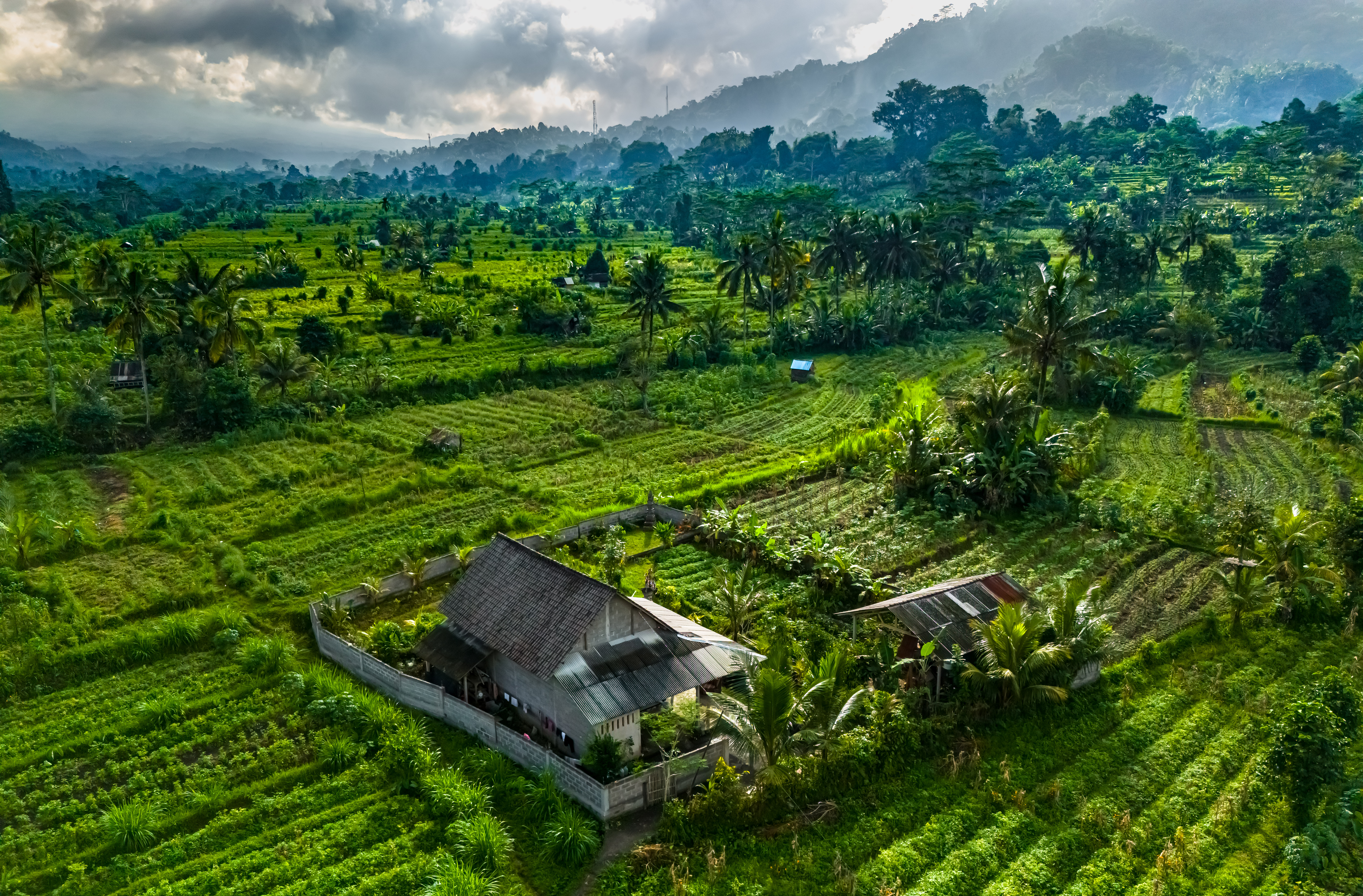
Before you jump into your Bali land adventure, it’s critical to understand zoning and compliance. This ensures your land investment doesn’t hit any roadblocks.
Bali Zoning Guide and Setback Rules
Zoning is key in Bali. Bali is divided into different zones—agricultural, residential, tourism, and more. Each zone has specific rules about what you can build. For instance, building in a green zone might mean you’re limited to agricultural use. Want to build a villa? Make sure your land is in a residential or tourism zone. Setback rules are equally important. They dictate how far your building must be from roads or other landmarks. Many overlook these, but they can make or break your building plans.
Bali Land Certificate and Title Checks
Checking land certificates is crucial. It’s your job to ensure that the seller is the legitimate owner. A land certificate check will confirm ownership and verify there are no disputes. It’s like doing a background check on the land. This due diligence step is non-negotiable. Most people think a handshake seals the deal, but in Bali, it’s the paperwork that counts.
Notary PPAT and Banjar Approvals
The notary or PPAT plays a huge role. They handle the legal documents and ensure everything is above board. Without a notary, you risk legal issues down the road. Then there’s the Banjar, or local community council. They must approve your plans. It might feel like a formality, but gaining Banjar approval is crucial for community harmony. Now, let’s talk money—what will all this cost you?
Practical Steps and Costs Involved

You’re almost ready to buy, but let’s tackle the costs and steps involved. From taxes to permits, here’s what you need to know.
Bali Land Tax and PPh Property Tax
When buying property, taxes are unavoidable. You’ll encounter the BPHTB, or land tax. This is a one-time tax, usually around 5% of the property’s value. Then there’s the PPh property tax, payable by the seller but often factored into negotiations. Knowing these taxes helps you budget effectively. Most buyers forget these additional costs, but not you—you’re prepared.
Safe Payment Structures and Escrow
Payment structures in Bali need careful planning. It’s common to use an escrow service to hold funds until all conditions are met. This ensures security for both buyer and seller. Using escrow protects you from potential pitfalls, offering peace of mind. It’s a step often skipped, but in Bali, it’s your safety net.
Building Permits and SLF Certificates
Finally, let’s discuss building permits and SLF certificates. Before building, secure a building permit known as IMB. Once your building is complete, an SLF certificate is needed to confirm it’s fit for use. These permits guarantee your building meets local standards. They might seem tedious, but they’re essential for a hassle-free build. There you have it—a straightforward guide to buying land in Bali. Ready to make your dream a reality? Reach out to Bali Freedom Property today.
🇮🇩 +62 813 3932 3776 🇦🇺 +61 450 497 652 Info@balifreedomproperty.com balifreedomsales@gmail.com www.balifreedomproperty.com 🌴



Join The Discussion