

 by
by 
Leasehold vs Freehold in Bali: The straight‑up guide for Aussie buyers (2026 edition)
Thinking about buying property in Bali but tangled up in leasehold vs freehold confusion? You’re not alone. Many Aussies stare at terms like Hak Sewa and Hak Milik wondering what’s legal, what’s smart, and what’s a trap. This straight-up guide breaks down Bali leasehold explained and Bali freehold explained, so you can move beyond the jargon and get clear on your options before chatting with our Buyers Agent, Visa, and Legal teams.
Got questions about Hak Sewa (Leasehold) vs Hak Milik (Freehold)? Let’s make it easy. Book a no‑obligation chat and get a quick ownership game plan tailored to you. WhatsApp us today. 🇮🇩 +62 813 3932 3776 🇦🇺 +61 450 497 652 Or email: Info@balifreedomproperty.com and balifreedomsales@gmail.com Visit: www.balifreedomproperty.com
Understanding Leasehold and Freehold
Navigating the world of property ownership in Bali starts with understanding leasehold and freehold. Let’s take a deeper look at these options.
Leasehold vs Freehold Bali Explained
So, what’s the deal with leasehold and freehold in Bali? With leasehold, you’re essentially renting the land for a significant period, usually up to 30 years or more. It’s a popular choice among foreigners, as it allows you to enjoy the perks of Bali living without permanent ownership. This option also tends to be more affordable initially, which is great if you want to dip your toes in the water before committing fully.
Freehold, on the other hand, offers full ownership rights over the land. This is the most secure form of ownership but is typically reserved for Indonesian citizens. However, there are legal structures that can help foreigners get close to freehold ownership, which we’ll explore later on.
Hak Sewa Lease vs Hak Milik Freehold
Hak Sewa, or leasehold, provides you with a long-term lease. It’s like having a really long rental agreement. You hold the right to use the property, but not own it outright. This is often the go-to for international buyers looking to enjoy Bali without the complexities of full ownership.
Hak Milik refers to freehold ownership. It’s the golden ticket that gives you full control and rights to the property. Unfortunately, this option is off-limits to foreigners directly, but don’t fret! There are ways to structure your investment smartly, so you can enjoy similar benefits.
Common Misconceptions About Ownership
Many people assume owning property in Bali as a foreigner is a legal maze. While it’s true there are restrictions, it’s not as tangled as you might think. One misconception is that leasehold means you have no control. In reality, lease agreements can be tailored to give you extensive rights and protections. Another assumption is that freehold is impossible for non-Indonesians, but with the right legal setup, you can navigate close to it.
Legal Structures and Smart Strategies

Understanding ownership options is just the start. Now, let’s explore the legal structures that can help make your Bali property dreams a reality.
Hak Pakai Right to Use Bali
Hak Pakai is a legal structure allowing foreigners to use land for residential purposes. This right is typically valid for up to 25 years and can be renewed. It’s a practical choice for those wanting more stability than a leasehold without full ownership. You get to enjoy the beauties of Bali while having a legally secure arrangement.
This strategy is ideal for expats and investors looking to settle without the complications of full ownership. It provides a balance between control and compliance with Bali property laws.
PT PMA and HGB Right to Build
If you’re an investor or developer, PT PMA (a foreign-owned company) and HGB (Right to Build) might be your best bet. Setting up a PT PMA allows you to hold property indirectly, with the company owning the freehold. Meanwhile, HGB gives you the right to build and develop on the land. This combo is a game-changer for those looking to invest in larger projects or strategic land developments.
Both these structures ensure that your investment aligns with Indonesian regulations while offering the flexibility you need.
Bali Property Laws for Foreigners
While you can’t directly own freehold land, Bali’s property laws offer several avenues for foreigners to secure property rights. The key is understanding these pathways and aligning them with your investment goals. Always remember: due diligence is crucial. Engage with local experts and legal professionals to ensure everything is above board.
Navigating the Buying Process
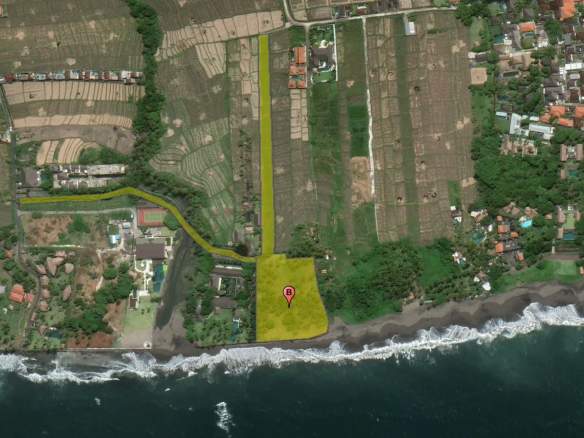
Understanding how to buy property in Bali involves a few more steps. Here’s how you can smoothly navigate the process.
Lease Renewal and Exit Strategies
Leases in Bali usually come with renewal options, allowing you to extend your stay. It’s important to clearly define these terms in your contract to avoid surprises down the road. As for exits, having a planned strategy ensures you’re not caught off guard if circumstances change. This might involve transferring the lease or selling your interest in the property.
Bali Notary (PPAT) and Due Diligence
A Bali Notary, or PPAT, is essential in handling property transactions. They ensure legal compliance and help with the transfer of deeds. Due diligence is your best friend here. It involves checking zoning regulations, ensuring there are no hidden legal issues, and verifying the seller’s rights. This step protects your investment and keeps your mind at ease.
Bali Buyers Agent and Relocation Services
Working with a Bali buyers agent can make the process less daunting. They are your guide through the property landscape, ensuring you find a place that fits your needs. Relocation services also streamline your move, handling everything from visas to settling in, so you can enjoy your new life without a hitch.
Reach us for a friendly chat about your Bali property dreams: 🇮🇩 +62 813 3932 3776 🇦🇺 +61 450 497 652 Info@balifreedomproperty.com balifreedomsales@gmail.com www.balifreedomproperty.com 🌴



Join The Discussion