

 by
by 
How to legally buy property in Bali in 2026: visas, PT PMA and no‑drama contracts
Forget everything you thought you knew about buying property in Bali. The old ‘nominee’ shortcuts are dead, and the rules for foreigners changed again in 2026. If you want to buy with confidence, avoid drama, and actually sleep easy at night, you’ll need the lowdown on PT PMA, visas, and legal contracts. Stick around—we’ll walk you through Bali property law for foreigners without the jargon and with a cheeky smile.
Ready to buy safely and sleep easy? Book your free 30‑minute Legal + Visa + Property Game Plan with our team. We’ll map your pathway (PT PMA, Hak Pakai, or Leasehold), check zoning, and line up compliant deals. No fluff. Just facts, mates’ rates service, and a proper cuppa if you’re in town. WhatsApp us now or email for your checklist and a property shortlist within 48 hours.
Contact us anytime:
🇮🇩 +62 813 3932 3776 🇦🇺 +61 450 497 652
Info@balifreedomproperty.com balifreedomsales@gmail.com
www.balifreedomproperty.com
Understanding Bali Property Law

When you’re eyeing that dream villa, knowing the legal ropes is your first step. Bali property laws have shifted, especially with the new changes in 2026. Let’s clear up the mystery.
Navigating Bali Zoning Guide 2026
Zoning affects where and what you can buy in Bali. The 2026 updates have made some areas more accessible, but not all spots are open for foreign ownership. Knowing zoning laws keeps you from buying a headache instead of a home.
Zoning guides help you understand land use. Residential, tourism, and commercial zones each have rules. For instance, a villa in a tourism zone might be rentable, while one in a residential zone may not. Always check zoning before purchasing to ensure your plans align with local laws.
Understanding these details can mean the difference between a dream home and a legal nightmare. With zoning maps and local advice, you can buy smart and avoid costly mistakes. Want to stay ahead? Keep zoning insights in your back pocket.
Debunking the Indonesian Nominee Risk
Maybe you’ve heard of using an Indonesian nominee to buy property. It’s risky business! This method can lead to losing your investment. The law doesn’t favour foreigners who use nominees, and contracts can be challenged.
Nominee structures might sound tempting, but the dangers are real. Legal ownership doesn’t transfer with nominee agreements, making court battles likely if disputes arise. These risks are why many steer clear of this path.
Instead, focus on legal ownership options like PT PMA or Hak Pakai. These offer safer routes to owning property. So, forget the nominee gamble and explore legitimate ways to secure your Bali slice.
Visa and Company Structures
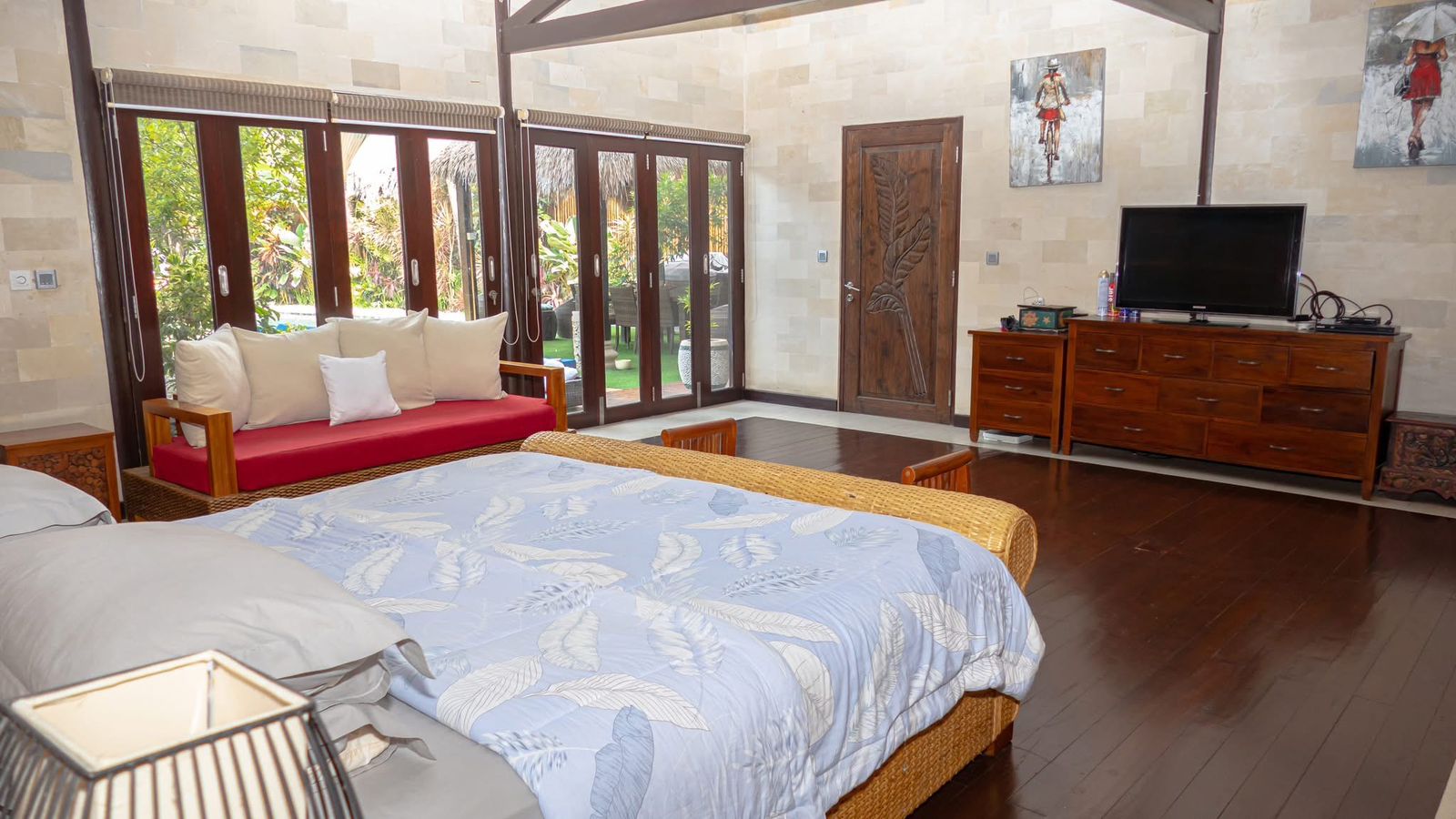
Securing property in Bali isn’t just about the land. It’s also about the right visa and company structures. These are your tools for lawful ownership and residency in paradise.
PT PMA Property Bali Explained
PT PMA is a foreign-owned company, your ticket to owning property in Bali legally. This setup allows you to buy and hold land safely. Forming a PT PMA involves registering with the Indonesian government, ensuring compliance with local laws.
With PT PMA, you hold property under a business entity, which means you have control and legal backing. It’s ideal for those looking to invest significantly. This structure also opens doors to more business opportunities in Indonesia.
Setting up a PT PMA involves steps: selecting a company name, preparing documents, and registering with the Investment Coordinating Board. It might sound complex, but with the right guidance, it’s a straightforward process.
Hak Pakai and Hak Guna Bangunan
Hak Pakai gives you the right to use land or a building. It’s a popular choice for foreign buyers who can’t own freehold land. This right is renewable and can last up to 80 years with extensions.
Hak Guna Bangunan (HGB) is another option, providing the right to build on land. This right lasts up to 30 years and is renewable. Both options offer legal protection and peace of mind.
Choosing between Hak Pakai and HGB depends on your plans. Hak Pakai suits those seeking long-term use, while HGB benefits those wanting to develop or invest. Understanding these rights helps you make informed decisions.
Making Your Property Purchase
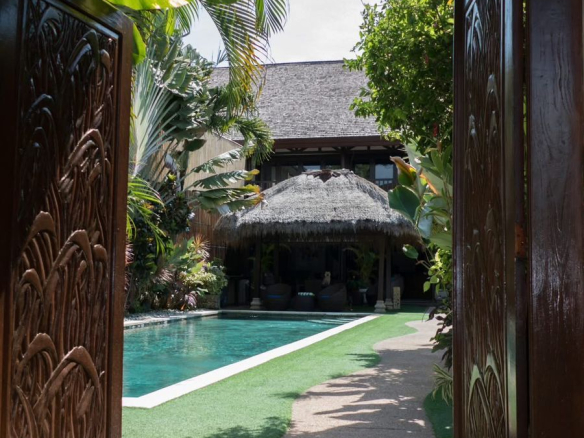
Buying property in Bali involves more than choosing a location. It’s about ensuring each step is legally sound, from due diligence to understanding ownership rights.
Notary Due Diligence in Bali
A notary plays a crucial role in property transactions. They ensure documents are correct, legal, and binding. Their due diligence protects your interests and confirms property status, ownership, and compliance with zoning laws.
Notary services include verifying land titles and checking for disputes or liens. They also draft and witness the signing of sale agreements. A good notary is your safeguard against fraud and legal issues.
Choosing a trusted notary can save you time and money. They act as an intermediary, ensuring all parties fulfill their obligations. With reliable due diligence, you can buy with confidence.
Leasehold vs Freehold in Indonesia
Leasehold and freehold are two main ownership types in Bali. Leasehold gives you property use for a set time, typically 25-30 years, with renewal options. It’s popular among foreigners because it bypasses ownership restrictions.
Freehold offers permanent ownership but is limited to Indonesian citizens. Foreigners often use a PT PMA to acquire freehold properties through company ownership. Each option has pros and cons based on your goals.
Understanding these differences helps you choose wisely. Leasehold might be ideal for short-term use, while freehold offers long-term security. Knowing your options ensures your investment aligns with your needs.
🇮🇩 +62 813 3932 3776 🇦🇺 +61 450 497 652 Info@balifreedomproperty.com balifreedomsales@gmail.com www.balifreedomproperty.com 🌴


Join The Discussion