

 by
by 
The Bali Property Puzzle: Leasehold vs. Freehold Explained
Forget the myth that buying property in Bali is a walk in the taman (garden). The real challenge lies in untangling Bali leasehold versus Bali freehold—two very different property titles that can make or break your investment. Stick with us, and you’ll get the lowdown on what each means, so you can skip the confusion and step straight into your dream Bali real estate. Ready to see how it all fits together? Check out this guide on Bali property rights.
🇮🇩 +62 813 3932 3776
🇦🇺 +61 450 497 652
Info@balifreedomproperty.com
balifreedomsales@gmail.com
www.balifreedomproperty.com
Leasehold vs. Freehold: The Basics
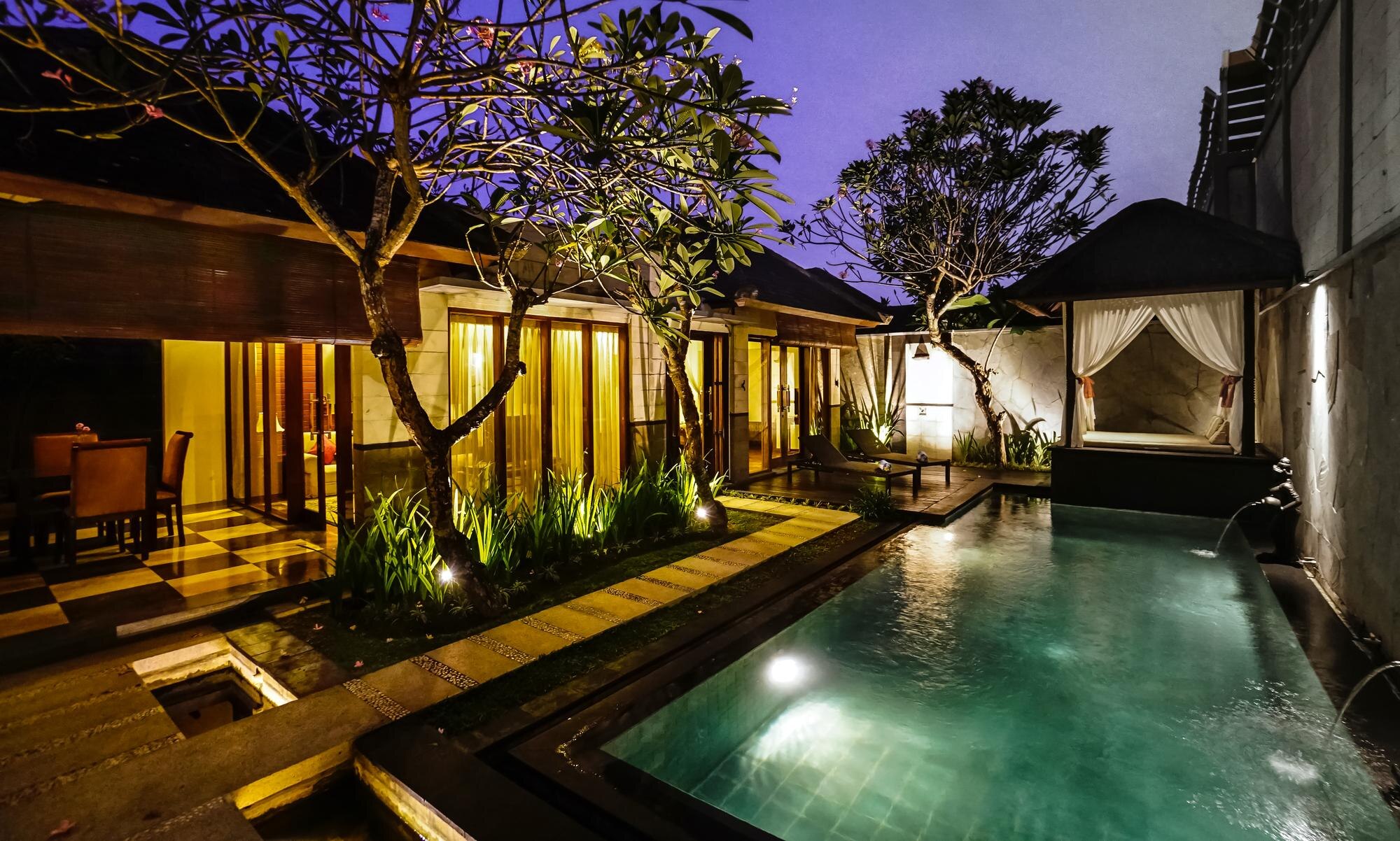
Before jumping into the deep end of Bali’s property market, let’s untangle the basics of leasehold and freehold ownership. Understanding these concepts is your first step towards making a smart investment.
Understanding Leasehold Property
Leasehold property in Bali means you’re leasing the land or property for a set number of years, often between 25 to 50. This is a popular choice for foreigners as it provides a legal way to enjoy property in Bali.
Why choose leasehold? It’s generally more affordable than freehold. You pay for the time you lease, not the full ownership. Also, you can extend the lease, often for another 25 to 50 years, making it a longer-term investment compared to renting. This flexibility can be perfect if you’re looking to dip your toes into Bali’s market without a massive upfront commitment.
Here’s the key insight: Leasehold lets you enjoy Bali’s beauty without the need to navigate ownership complexities reserved for locals. Explore more about leasehold properties in Bali.
Exploring Freehold Property
Freehold ownership, known locally as “Hak Milik,” allows you to fully own the property outright. This means complete control over the property, from renovations to reselling without any lease expiration. However, it’s a bit more complicated for foreigners.
In Bali, only Indonesian citizens can own freehold property directly. But there’s a workaround: setting up a PMA (foreign investment company) allows you to acquire land under a leasehold that can be converted into a building rights title. It’s a bit of a maze, but for those willing to navigate it, the payoff is complete ownership and control.
What’s the takeaway here? Freehold offers stability and potential appreciation, making it ideal if you’re in for the long haul and can manage the legal steps involved. Remember, with ownership comes full responsibility. Learn more about freehold ownership in Bali.
Financial Implications and Legalities

Now that you’ve got the basics, let’s talk money and legal matters. These aspects can be the deal-breakers or makers when deciding between leasehold and freehold properties.
Costs and Commitments
When eyeing property in Bali, costs go beyond the price tag. With leasehold, you pay for the lease period upfront, which is generally cheaper than buying. But keep an eye on potential extension costs and inflation impacts over time.
Freehold, on the other hand, involves higher initial costs. You’re buying the land, after all. Plus, if you’re a foreigner setting up a PMA, there are setup costs involved. Also, think about ongoing expenses like property taxes and maintenance fees.
Here’s the insight: Evaluate not just the purchase price but the total cost of ownership, including hidden fees and potential increases over time.
Navigating Legal Considerations
Legalities can be tricky. For leasehold, ensure the lease agreement is clear about renewal terms. Always work with a trusted notary to avoid pitfalls. It’s crucial to verify the land’s title and ensure it’s free from any disputes.
For freehold, if you’re a foreigner, the legal path is navigable but requires setting up a PMA. This involves legal documentation and compliance with Indonesian laws. Ensure you have a reliable legal advisor to guide you.
Most people think property in Bali is straightforward, but these legal nuances make it essential to have expert guidance. The longer you wait to understand these, the more complex it becomes.
Making the Right Choice

Choosing between leasehold and freehold isn’t just about legal jargon or price tags. It’s about aligning with your personal and financial goals.
Evaluating Your Needs
Start with your lifestyle goals. Are you planning to live in Bali full time, or is this an investment? Leasehold can be a great option if you’re looking for a holiday home or a rental property. It offers flexibility and less financial strain upfront.
Freehold suits those looking for permanent residency or long-term investment. It offers stability and the freedom to modify the property as you wish. But remember, with great power comes great responsibility, including maintenance and legal compliance.
Tips for International Buyers
For international buyers, the Bali property market can initially seem challenging. Here’s a tip: Partner with local experts who understand the ins and outs of Bali’s property landscape. They can provide insights and help you make informed decisions.
Consider your long-term plans. If Bali is your retirement dream, freehold might be worth the initial legwork. For investment or vacation homes, leasehold could be your golden ticket.
And remember, when you’re ready to dive deeper, we’re here to help you navigate every step of the way. Our team at Bali Freedom Property is just a call or email away. 🌴🏘️ Contact us anytime at 🇮🇩 +62 813 3932 3776 or 🇦🇺 +61 450 497 652. Email us at Info@balifreedomproperty.com or balifreedomsales@gmail.com. Visit us at www.balifreedomproperty.com! 🌏✉️

Join The Discussion