

 by
by 
Buying land in Bali sounds dreamy, but without the right know-how, it can turn tricky fast. You want options to build, extend, or even pivot your plan down the track, not locked into a dead-end deal. We’ll cut through the confusion on titles, zoning, access rights, and company setups like PT PMA, so you can make moves with confidence. Stick with us, and you’ll see why Bali Freedom Property is the go-to team for a smooth, no-nonsense land buy. Keen to map out your Bali land play? Book a free 20‑minute Land Strategy Call. We’ll review your brief, check zoning, flag access and utilities risks, outline ownership pathways (individual or PT PMA), and sketch your build/exit options. Ask for our land due diligence checklist and sample timeline today. Let’s get your plan sorted.
Contact us anytime:
🇮🇩 +62 813 3932 3776 🇦🇺 +61 450 497 652
Info@balifreedomproperty.com balifreedomsales@gmail.com
www.balifreedomproperty.com
For more insights on this topic, check out the pros and cons of buying land vs buying a finished villa in Bali.
Understanding Bali Land Titles
When it comes to buying land in Bali, understanding the different land titles is crucial. Let’s break down the key title options you should know.
Leasehold vs Freehold Options
Choosing between leasehold and freehold is a major decision for anyone looking at Bali land for sale. Leasehold land in Bali often involves a fixed-term agreement, typically 25 to 30 years, with options to renew. This option is popular among foreigners, as Indonesian law restricts freehold ownership for non-citizens. Leasehold is often more affordable upfront, but it’s essential to consider renewal terms and potential cost increases over time.
Freehold land offers full ownership rights and the freedom to make decisions about the property. However, acquiring freehold land is generally only possible for Indonesian citizens or through complex legal structures. For those eligible, freehold provides long-term security and the ability to transfer ownership to heirs. Weigh the benefits of each option based on your long-term plans.
Navigating Hak Pakai and HGB
Hak Pakai, or the right to use, is a title allowing foreigners to use land legally. It’s often considered a safe route, giving you control without full ownership rights. Hak Pakai titles are typically valid for 25 years, with extensions possible. This title suits those looking for residential use.
HGB, or the Right to Build, is another title you might encounter. This allows you to construct and own buildings on the land for a set period, usually 30 years, with options to extend. HGB is commonly used for business purposes, providing more flexibility for development and investment. Understanding these titles ensures you’re making informed decisions.
PT PMA: A Viable Pathway
If you’re considering long-term investment, setting up a PT PMA, a foreign-owned company, could be a smart move. This structure enables foreigners to buy land in Bali under the company’s name. It offers access to freehold land, bypassing restrictions that apply to individuals.
Setting up a PT PMA involves legal procedures, including business permits and tax registration. While it may seem daunting, this pathway offers significant benefits, including greater control and investment potential. Collaborating with experts like Bali Freedom Property can simplify the process and help you navigate local regulations.
Zoning, Access, and Utilities
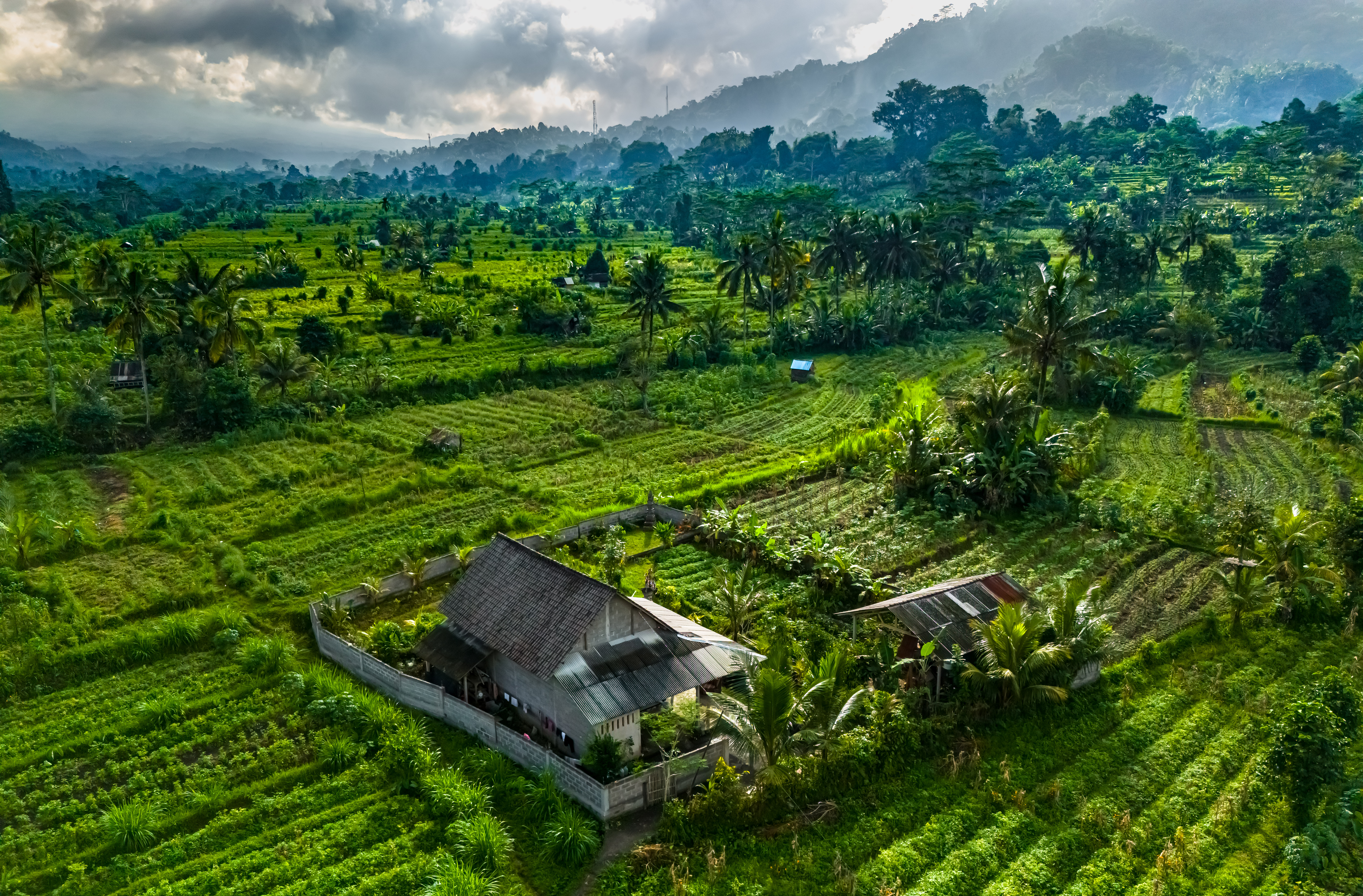
Navigating zoning rules, access rights, and utilities is key before committing to a purchase. Here’s what you need to know.
Simplifying Bali Zoning Rules
Understanding Bali’s zoning rules is crucial for a successful investment. Zoning dictates what you can do on your land, from building types to usage. Bali zones include residential, commercial, and green zones, each with specific regulations.
Before buying, confirm that your intended use aligns with zoning restrictions. Residential zones allow housing developments, while commercial zones enable business operations. Green zones, often protected, come with strict limitations. Consulting with local experts ensures compliance and smooth project approval.
Right of Way and Access Essentials
Secure access to your property is essential. Right of way agreements grant you passage through neighboring land to reach your property. These agreements should be legally documented to prevent future disputes.
Assess the property’s access points and ensure they meet your needs. Verify any existing right of way agreements and their validity. Consider potential access challenges, such as narrow roads or challenging terrain. Addressing access issues upfront avoids complications during development.
Utilities: Costs and Connectivity
Utilities are a critical factor in any land purchase. Consider costs and connectivity for water, electricity, and internet. Remote areas may face higher setup costs for utilities.
Check the availability of essential services in your area. Urban locations often offer reliable utilities, while rural areas might require additional investment. Ensure your chosen land can support the infrastructure you need for comfortable living or business operations.
Permits, Extensions, and Exit Strategy

Securing the right permits and planning for the future is vital in your Bali land investment journey.
Decoding Bali Building Permits
Building permits are essential for any construction project. The main permits include PBG (Building Approval) and SLF (Certificate of Worthiness). These ensure your structure is safe and legally compliant.
Navigating the permit process involves submitting detailed plans and complying with local regulations. Partnering with experienced professionals can streamline this process and ensure timely approvals. Proper permitting avoids delays and legal issues.
Crafting Fair Leasehold Extensions
If you’re opting for leasehold, planning lease extensions upfront is wise. Negotiate fair terms with the landowner to avoid future disputes.
Consider factors like extension duration, cost, and notice periods. A clear lease extension agreement provides peace of mind and long-term security. Consulting with legal experts ensures your interests are protected.
Planning Your Exit Strategy
An exit strategy is essential for any investment. Consider factors like property appreciation, market trends, and potential buyers. Planning ahead allows you to maximize returns when it’s time to sell.
Explore different exit options, such as selling the property, transferring ownership, or leasing it out. Evaluating these options early helps you make informed decisions and adapt to changing circumstances.
Frequently Asked Questions
What are the main differences between leasehold and freehold land in Bali?
Leasehold land involves a time-limited agreement, typically 25 to 30 years, with options to renew. Freehold land offers full ownership rights but is generally restricted to Indonesian citizens.
Can foreigners own land in Bali?
Foreigners can own land in Bali through leasehold titles or by setting up a PT PMA. Direct freehold ownership is generally reserved for Indonesian citizens.
What should I consider when evaluating zoning in Bali?
When evaluating zoning, consider your intended property use and ensure it aligns with local regulations. Consult experts to navigate zoning rules and avoid legal issues.
How do I ensure access to my land in Bali?
Secure access by verifying existing right of way agreements and ensuring they are legally documented. Address any access challenges, such as narrow roads, upfront.
What permits are required for building in Bali?
Key permits include PBG (Building Approval) and SLF (Certificate of Worthiness). These ensure your construction project is legally compliant and safe.



Join The Discussion