

 by
by 
Leasehold vs Freehold in Bali: The No-Nonsense Guide Australians Actually Need
Thinking about buying property in Bali? It’s not as simple as “freehold good, leasehold bad.” Understanding Hak Milik (freehold) versus Hak Sewa (leasehold) can save you from costly mistakes. This guide breaks down who can buy what, how foreigners hold property, typical lease terms, risks, and which option fits your goals—whether investing, retiring, or relocating. Ready to cut through the confusion and get clear, honest advice? Let’s get started.
Got questions or want our Lease vs Freehold Checklist? Book a zero-pressure chat. We’ll break it down, pelan-pelan (slowly), and map the right path for your goals. WhatsApp or email us now.
🇮🇩 +62 813 3932 3776
🇦🇺 +61 450 497 652
Info@balifreedomproperty.com
balifreedomsales@gmail.com
www.balifreedomproperty.com
Leasehold vs Freehold: What’s the Deal?
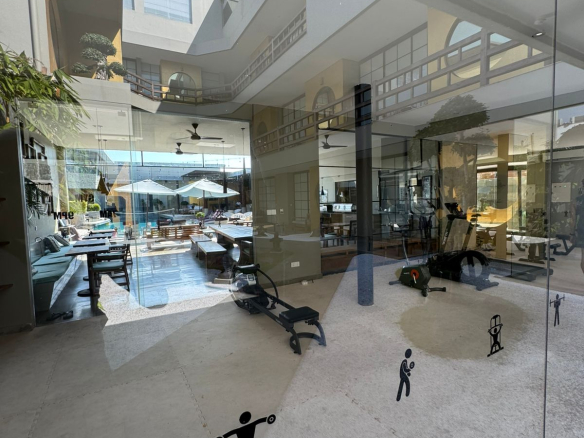
Curious about the difference between leasehold and freehold in Bali? You’re not alone. Many Australians face this same puzzle when looking to buy property on this beautiful island.
Leasehold Bali: Hak Sewa Explained
Leasehold properties, known locally as Hak Sewa, can be a smart choice in Bali. You pay to use the land or building for a set period, often up to 99 years. This option tends to be more budget-friendly than freehold. Consider it if you’re looking to keep costs down while enjoying the Bali lifestyle. Just be aware—once the lease expires, the rights revert to the original owner. So, think about your long-term plans.
Leasehold is popular, especially in tourist-heavy areas like Seminyak. Why? It lets you tap into Bali’s thriving holiday rental market. This is a game-changer if you’re considering using the property as a rental. Plus, it often involves less bureaucratic red tape than freehold.
Freehold Bali: Hak Milik Explained
Freehold ownership, or Hak Milik, offers full ownership of land and property. This means you can keep or sell it as you please. Sounds perfect, right? Not so fast—only Indonesian citizens can hold freehold titles. But with the right legal setup, like a trusted nominee, you can still enjoy the benefits.
Freehold is a strong choice if you plan to make Bali your forever home. It’s a solid investment, giving you peace of mind that the property is truly yours. Many expats work with notaries to ensure everything is above board. This makes freehold a desirable option for long-term stays or eventual resale.
Foreign Ownership Pathways in Bali

So, how can foreigners legally own property in Bali? Let’s explore these pathways, and see which one suits you best.
PMA Company Bali: A Foreign Solution
One way to own property is by setting up a PMA company—that’s a foreign-owned business in Indonesia. This allows you to hold titles under the company’s name. It’s ideal for those planning to invest in multiple properties or run a business.
Setting up a PMA involves legal steps, but it’s worth it for the perks. You’ll need to follow specific regulations, ensuring everything is compliant. It’s a powerful route to owning property beyond just a single home.
Hak Pakai: Right to Use Guide
Another option for foreigners is Hak Pakai, the right to use. This allows you to use land or property for up to 80 years. It’s often more accessible than other methods, making it popular among long-term residents.
Hak Pakai is flexible and secure, offering legal protection similar to freehold. It’s a great middle-ground if the idea of leasehold doesn’t appeal to you. You’re legally recognized as the user, providing peace of mind.
HGB Right to Build: PMA’s Best Friend
For those with a PMA, the HGB (Right to Build) is your best friend. This allows the company to construct or develop on the land. HGB is perfect for those building homes or commercial properties.
HGB offers control over property for up to 30 years, with extensions possible. It’s a valuable tool for developers or serious investors. You can maximize your investment, making it a savvy choice for large-scale projects.
Choosing the Right Option for You

How do you decide between these options? Let’s weigh the pros and cons for investing, retiring, or relocating to Bali.
Investing in Bali Property: Pros and Cons
Investing in Bali property can be lucrative. Leasehold is great for short-term gains, while freehold offers long-term security. Weigh the ROI against your risk tolerance. Keep in mind that Bali’s real estate market is dynamic, offering various opportunities for different investment goals.
Retiring in Bali: Freehold vs Leasehold
Thinking of retiring in Bali? Freehold offers stability, but leasehold might suit your budget better. Consider your future needs and lifestyle preferences. Many retirees choose leasehold for its affordability, using the savings for travel or leisure.
Relocating to Bali: Legal and Practical Steps
Relocating? Know the legal steps and practicalities. A PMA company or Hak Pakai provides secure pathways. You’ll need to navigate visas and legalities, but Bali Freedom Property can help. We simplify the process so you can focus on enjoying your new life.
Got questions or need our Lease vs Freehold Checklist? Reach out for a zero-pressure chat! 🇮🇩 +62 813 3932 3776 🇦🇺 +61 450 497 652 Info@balifreedomproperty.com balifreedomsales@gmail.com www.balifreedomproperty.com 😊

Join The Discussion